
For years, like everyone else I was brainwashed into thinking that Walt Disney’s Song of the South was pure and unadulterated racism. Like everyone else I avoided it like the plague. It wasn’t until 50 years later that I “dared” to watch it for myself. Here’s what I discovered.
1) Its intent was to PRESERVE Black American culture, not insult it.
The Br’er Rabbit / Uncle Remus stories were stories that parents in slavery taught their children, passing them down oral traditions that had evolved for centuries. Like other cultures’ folk tales they had deep meanings intended to teach wisdom to their children.
The first thing that people “warn” you about is the scene with the “Tar Baby”. This is classic imagery from African American folklore, which was passed down through oral tradition; variations of the metaphor has been recorded in places as far apart as Nigeria, Jamaica, and Brazil.
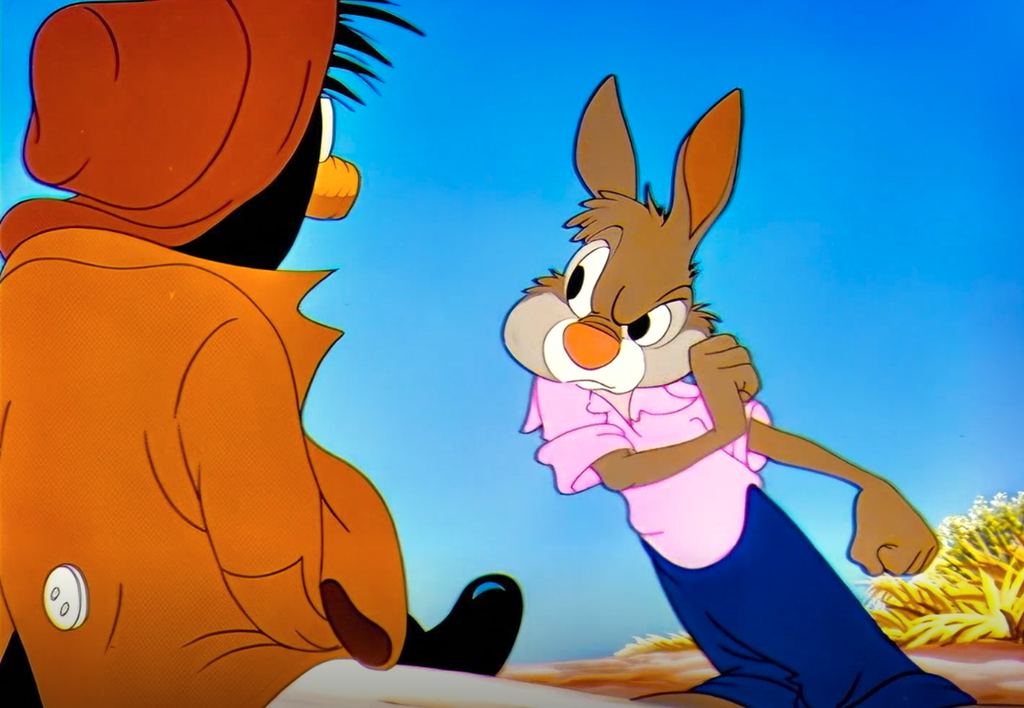
The underlying lesson that parents wanted to pass on to their children is to beware of “something sticky that catches whoever strikes it”, wisdom that ironically so many in our society today don’t understand.
2) Uncle Remus is the moral and narrative center.
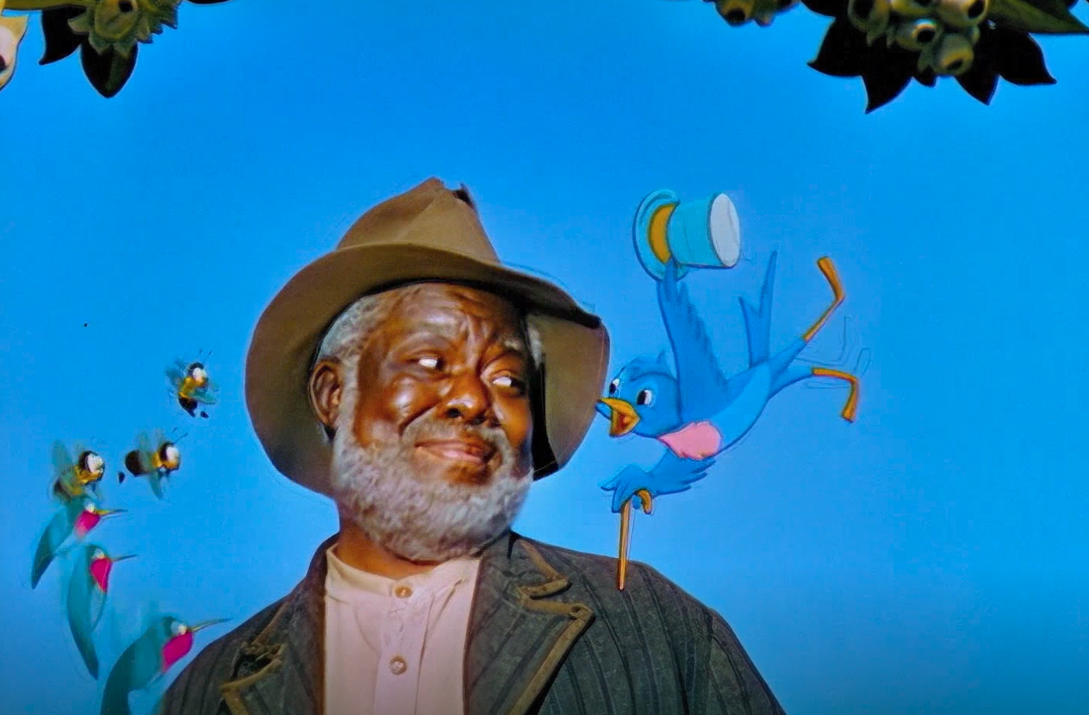
The protagonist is a wise, kind, respected, and supremely talented storyteller. While other roles of that era were “comic” or “servile”, this character was the moral center of the film; in fact, it was the naughty white boy, his absent father, and his exasperated grandmother who were the “weak” ones who learned from Remus.
3) Br’er Rabbit was the story of an underdog repeatedly outsmarting stronger, more powerful antagonists.
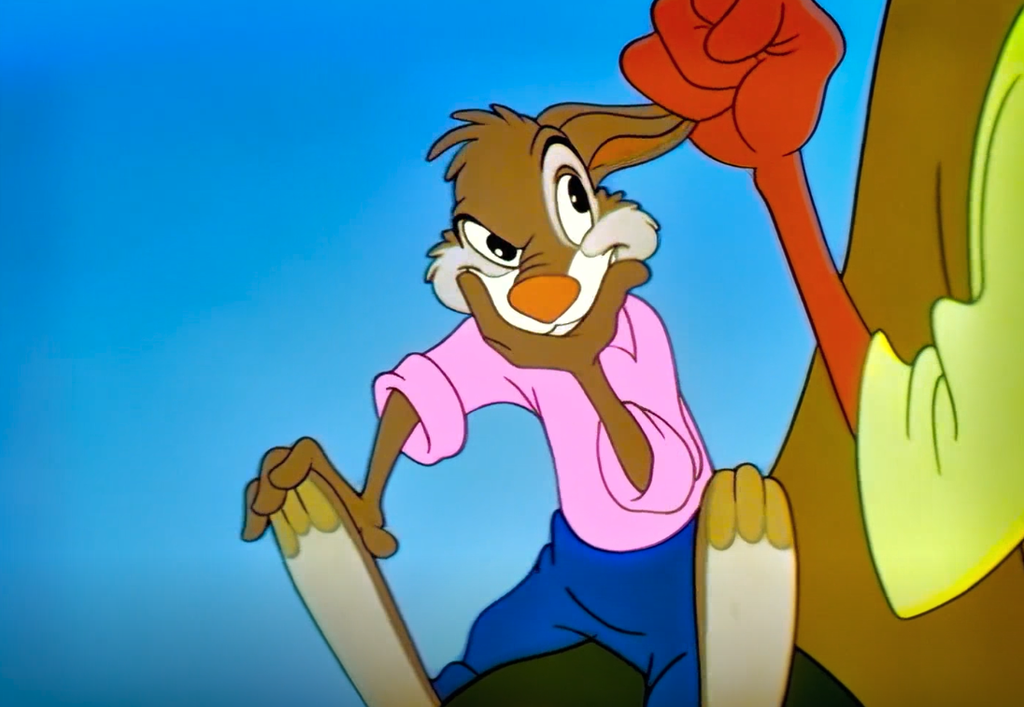
If anything, the story was subversive in that it encouraged those who lived under oppression and coercion that just because someone was more powerful than them, it didn’t mean they were weak nor that their oppressors were stronger or smarter. It was a message of hope and resilience from pain, not shame, and certainly not mockery.
4) The setting is during Reconstruction, not plantation slavery.
The movie doesn’t depict “happy slaves” as its detractors think. All the characters are free. Yes, there are elements that strike us as uncomfortable—the black boy doing chores for the white family.
But he’s not a “slave”, he’s getting paid, and his character as someone who was born into freedom and starting with nothing resonates with all of us with parents and grandparents who came to this country with nothing and had to work hard for very little to make a life for themselves and their future families.
There are scenes where the community is singing in a revival-like setting, laughing, filled with joy, and enjoying each other’s company and the spirit of love within them, a spirit you still feel if you visit a good Black church today.
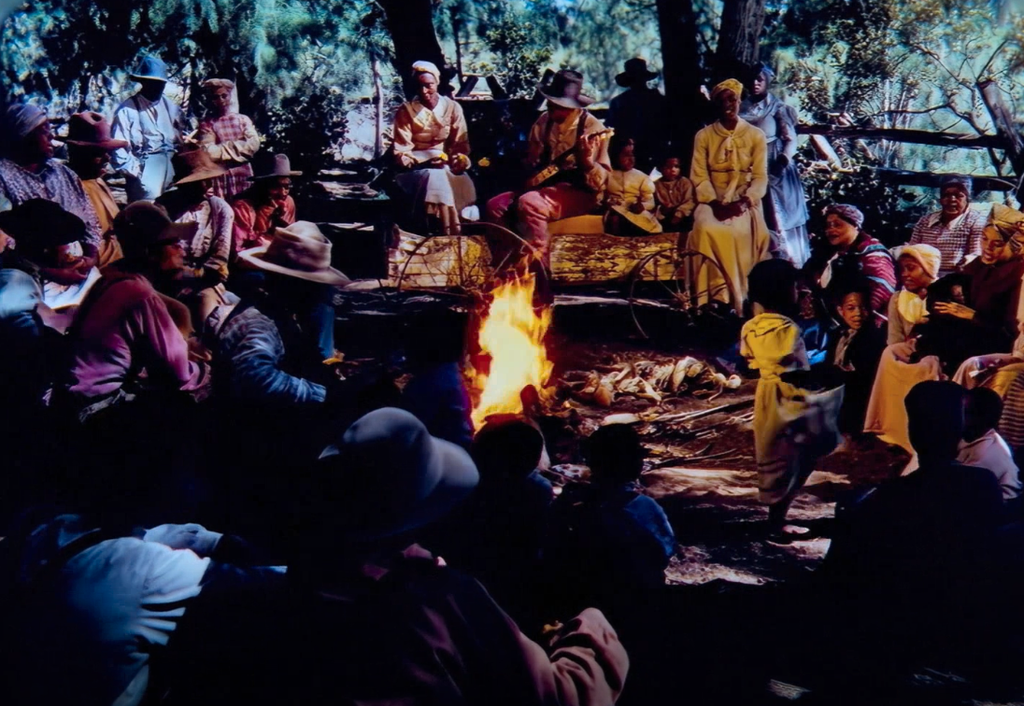
What is it that the activists object to? It’s the very notion that Black people can find joy in the love of their community and in the Spirit. That terrifies them.
No, their message is that Black people must only find redemption and salvation in the politics of progressivism, and nothing else.
I just checked and ChatGPT declares that it “romanticizes plantation life”, a clear lie that propagandists have spread for years. To deny that African Americans could find joy and comfort in God’s love, in song, and in the shared love of the brothers and sisters in their community–even and especially in times of poverty, affliction, and weakness–is to deny Black history altogether.
5) It honors and reflects Christ.
This isn’t a “religious film” by any definition, but Christian elements are clear throughout. Uncle Remus is filled with the joy of Christ, and while he never mentions Jesus, it’s clear that his joy and love reflects Him.
There’s a scene where the white boy is seriously injured by a bull, and a group of Black characters (including the renowned Hall Johnson Choir) sings a spiritual that functions as a prayer for him, including lyrics such as “more and more faith in Him” and “Angels have mercy on this little child”.
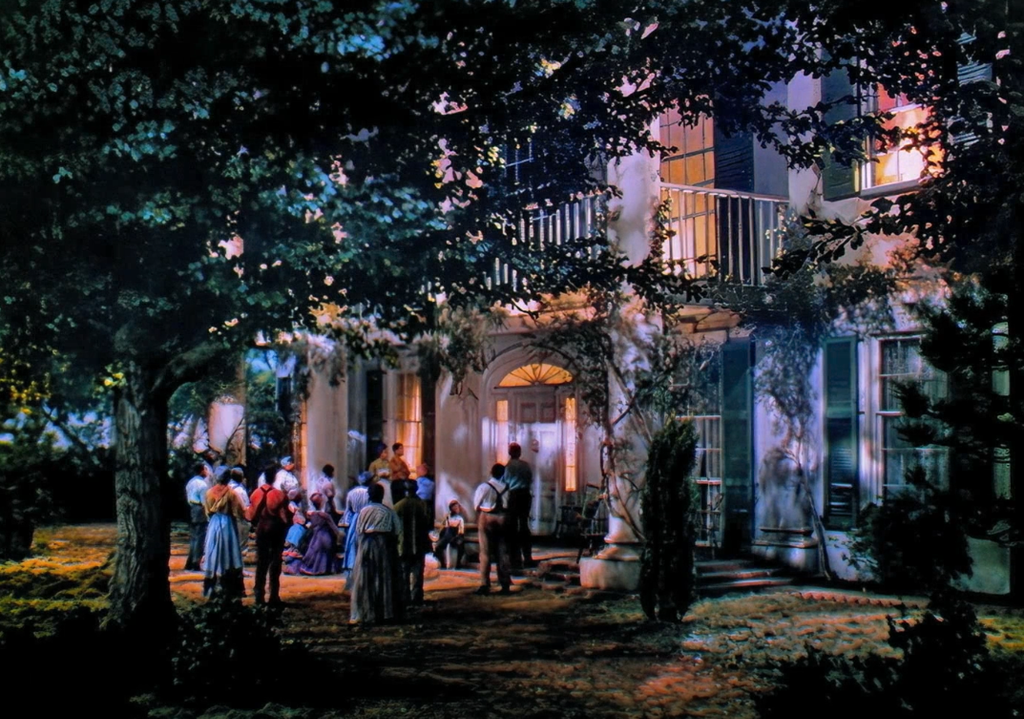
It reflects the deep faith that the Black community once had before white progressive influences taught them that government is their god, not the true God.
6) It honors and gave the vehicle of a major motion picture for some of the greatest Black acting and singing talent of the time.
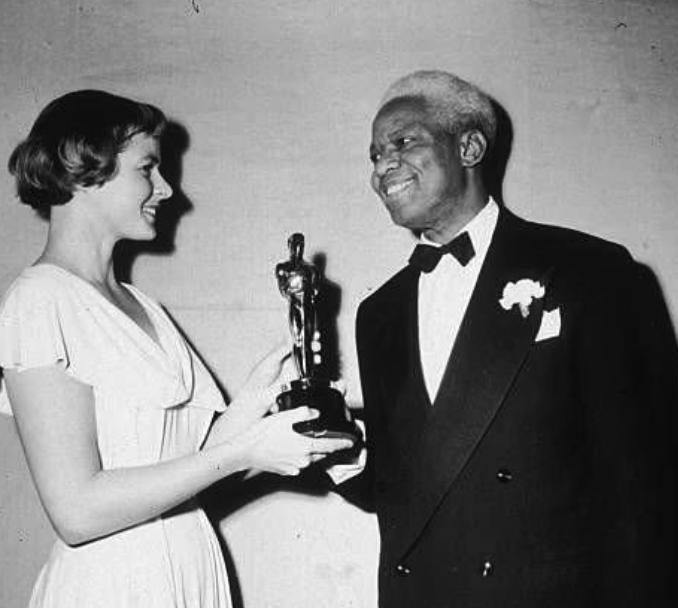
James Baskett’s performance of Remus was groundbreaking, and he received an honorary Oscar for his “able and heart-warming characterization of Uncle Remus”—the first Black man so recognized by the Academy and issued before the activists decided to attack the film.
Similarly, the great Hattie McDaniel (who won an Academy Award herself for her performance in Gone With the Wind) appeared in a major role, and killed it. As I said, the Hall Johnson Choir was featured.
7) It treated Black cultural expression as no different than other American cultural expression.
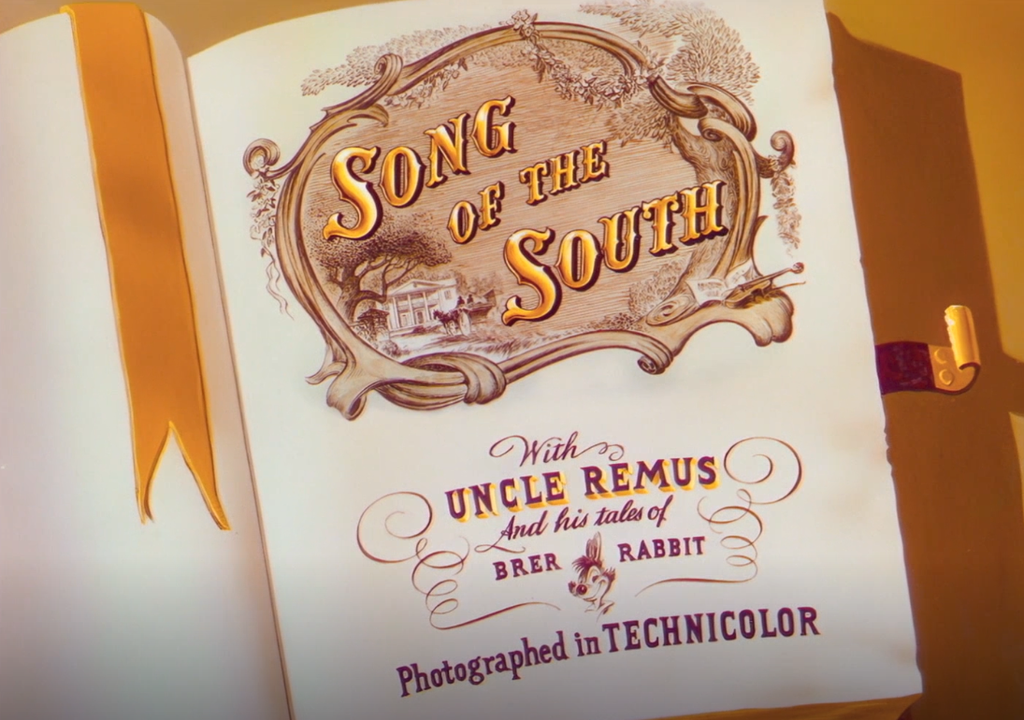
While Disney was doing his part to preserve the classic stories of other cultures (Snow White – German, Pinocchio – Italian, Bambi – Austrian, Cinderella and Sleeping Beauty – French, Alice in Wonderland and Peter Pan – British), he recognized the oral traditions of African American culture as equally worth preserving. Like every other Disney movie, the opening credits honor the culture with a storybook cover.
Ironically, after progressives successfully cancelled Song of the South, the next (and only) Disney animated film that features Black characters came 63 year later. And Princess and the Frog wasn’t even based on African-American culture, it was based on a German folk tale. To make it “Black” they added Louisiana Voodoo, as if that is what most African Americans identify with and not their Christian faith.
Similarly the film that everything thinks is the “African” one, The Lion King, was based on Shakespeare, not anything out of Africa or the heritage of Black America.
It’s ironic that the stories that African American grandparents tried desperately to keep alive through centuries of storytelling ended up being killed by whites who called themselves the ones who were champions of “diversity”, “inclusiveness” and “equity”.
As Milan Kundera wrote:
“The first step in liquidating a people is to erase its memory. Destroy its books, its culture, its history. Then have someone write new books, manufacture a new culture, invent a new history. Before long the nation will begin to forget what it is and what it was.”
8) The technical achievements were groundbreaking.
Disney’s mix of live action and animation were widely hailed as masterful achievements of art and technology. Today the effects are still stunningly impressive, even when compared to the best that generative AI can do.
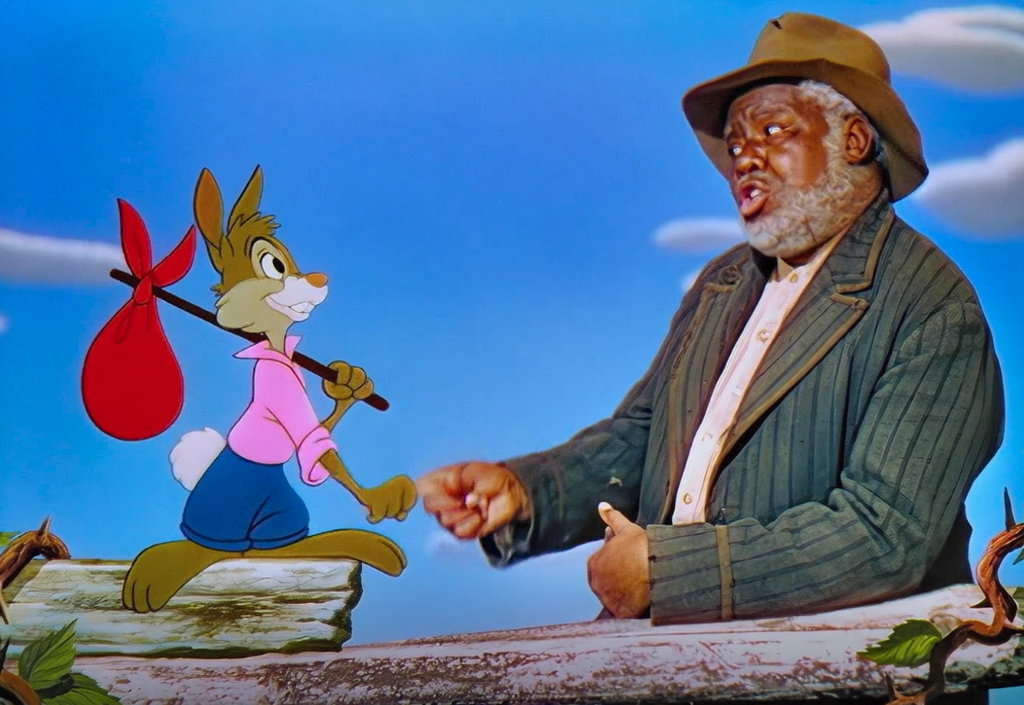
9) It depicts a world where black and white people genuinely get along, like each other, and love each other
This is perhaps the most subversive element of the movie, and the one that terrifies the Progressive Left the most. The characters in the movie actually live together in harmony.
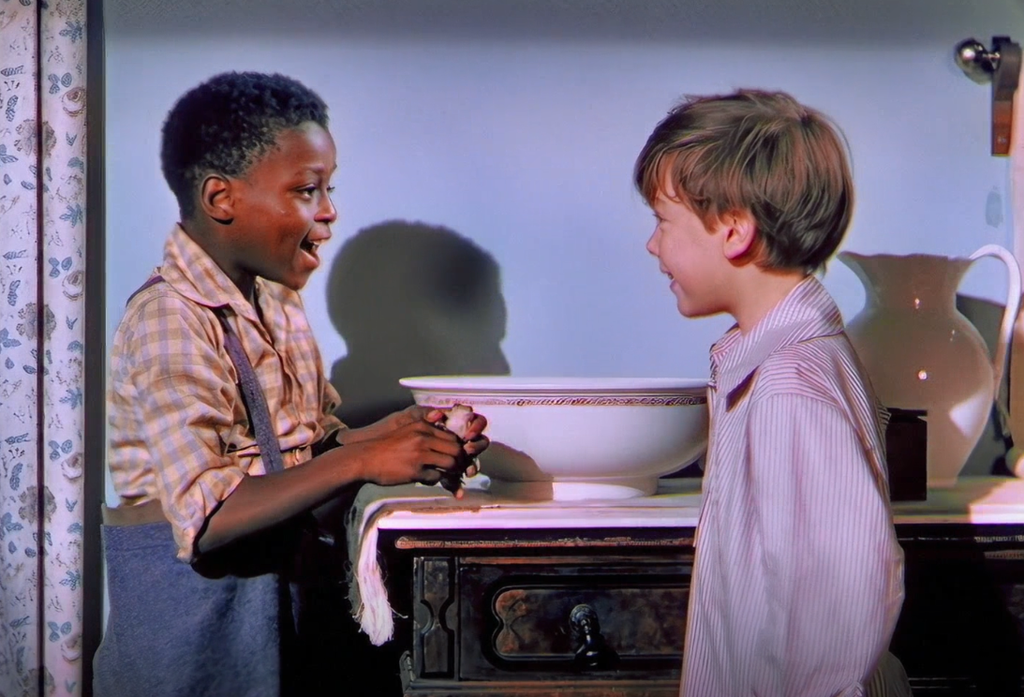
Yes, there is depictions of economic disparity. It shows Uncle Remus living in a ramshackle shack while the rich white family lives in the giant house. But the white family doesn’t turn their nose at Remus, nor is Remus seething with jealousy and rage.
To the contrary, Remus’s unadulterated joy in his simple life shows that he’s leading a fuller, happier, and more complete life than them.
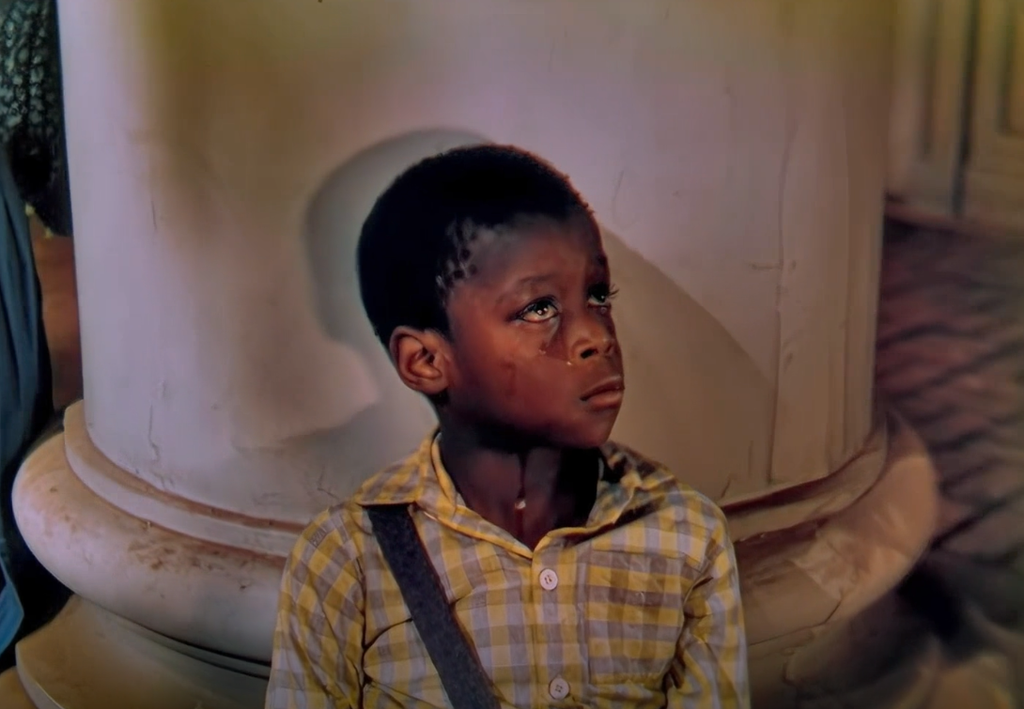
Toby and Johnny (played by Glenn Leedy and Bobbly Driscoll) genuinely love each other as best friends. In the scene where it’s unknown whether Johnny will live or die, Toby is distraught. And if the tables were reversed, Johnny would be equally distraught.
Watch it now. And tell your friends.
There’s one good thing about Disney having been shamed into pretending this movie doesn’t exist. It’s fallen into the public domain in many countries, and they’re not actively enforcing their copyright (yet) to prevent private individuals from restoring the film.
I searched all over for years to find a copy of the film, and realized that artists have restored it, and the fully restored, unedited film is available at The Internet Archive. Do you dare watch it?